Honghwamun Gate illuminated at night at Changgyeonggung Palace. Photo: Royal Palaces and Tombs Center, used under KOGL Type 1.
Part Three: Changgyeonggung Palace
Among Seoul’s royal palaces, Changgyeonggung feels quieter and more intimate.
Originally built in 1418 as a retirement residence called Suganggung, it was later expanded into a home for members of the royal family, especially queens, queen dowagers and other royal family members including concubines, princesses and the many royal attendants.
Over the centuries, it witnessed royal family tragedies, fires, invasions and repeated rebuilding. During the Japanese colonial period, much of the palace was transformed into a zoo, botanical garden and public amusement park.
Today, Changgyeonggung is once again a royal palace, but traces of its many different lives remain.
A Palace Built for the Royal Family
In 1418, King Sejong built the retirement residence, Suganggung, for his father, King Taejong, after Taejong stepped down from the throne.
Then in 1483, King Seongjong expanded the grounds again to provide living quarters for King Sejo's widows and renamed it Changgyeonggung Palace.
Both Changgyeonggung Palace and Changdeokgung shared a rear garden and without a firm boundary separating the two, they were known as Donggwol, or the Eastern Palace.
A Palace Facing East
One of Changgyeonggung’s unusual features is its orientation.
Most major Joseon palaces were laid out with their principal gates and halls facing south, a direction traditionally associated with royal authority. Changgyeonggung’s main gate, Honghwamun, however faces east as do the main throne hall, Myeongjeongjeon Hall, and Myeongjeongmun Gate, and all facing Naksan Mountain. Myeongjeongjeon Hall is the palace’s main throne hall and Korea's oldest.
Myeongjeongjeon, originally built in 1484, was destroyed during the Japanese invasions of 1592, and later rebuilt in 1616. It is considered the oldest surviving main throne hall among Seoul’s royal palaces.
A Setting for Royal Life and Tragedy
Changgyeonggung’s role as a residential palace means that many of its best-known stories are deeply personal.
Royal weddings, coronations, banquets and births took place here, but so did political conflicts and family tragedies.
The palace is closely associated with Crown Prince Sado, the son of King Yeongjo. In 1762, following years of conflict and concerns about the prince’s behavior and the consequences of him becoming King, his father, King Yeongjo ordered him confined inside a wooden rice chest. Crown Prince Sado died eight days later. His death wasn't revealed until 1776 when it was revealed in his wife's memoir.
Destruction and Reconstruction
Like Seoul’s other major palaces, Changgyeonggung was destroyed during the Japanese invasions of Korea that began in 1592.
Reconstruction began in the early seventeenth century, but the palace continued to suffer damage from fires. Buildings were repeatedly repaired or rebuilt during the Joseon period.
Even after reconstruction, Changgyeonggung remained closely integrated with Changdeokgung. Members of the royal family moved between the two palaces, and the connected grounds formed one of the dynasty’s principal residential centers.
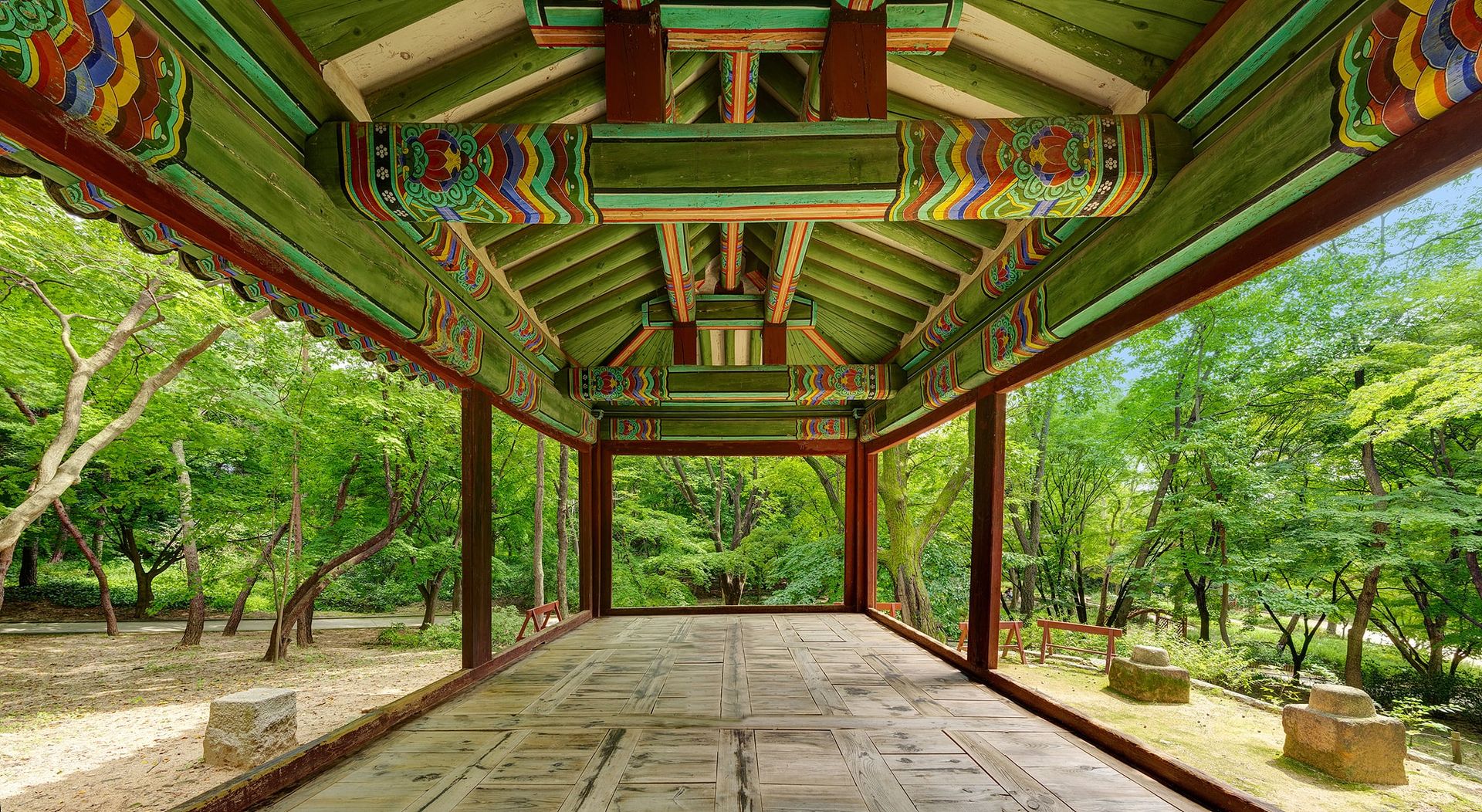
Gwandeokjeong Pavilion at Changgyeonggung Palace. Photo: Royal Palaces and Tombs Center, used under KOGL Type 1.
A Palace Becomes a Park
The most dramatic transformation came during the Japanese colonial period.
Beginning in the early twentieth century, palace buildings were demolished or removed. A zoo, botanical garden and museum were installed on the grounds, and the palace was renamed Changgyeongwon, or Changgyeong Garden.
A road was built between Changgyeonggung and Jongmyo Shrine, severing a historic connection between the royal palace and the dynasty’s ancestral shrine.
The transformation opened the grounds as a public leisure destination, but it also stripped the site of much of its royal identity.
The zoo remained at Changgyeonggung until the animals were relocated to Seoul Grand Park in the 1980s. Restoration work then began, the original name was reinstated and efforts were made to recover the palace’s historic layout.
The Grand Greenhouse
One surviving reminder of the palace’s early twentieth-century transformation is the Grand Greenhouse.
Completed in 1909, it was Korea’s first Western-style greenhouse. Its glass structure and delicate white framework stand in striking contrast to the traditional palace buildings nearby.
Although it was created during a painful period in the palace’s history, the greenhouse has itself become a protected historic structure. It was restored in the early 2000s and now displays a variety of native and imported plants.
The greenhouse gives visitors a visible reminder that Changgyeonggung’s history did not stop with the Joseon Dynasty. The site continued to be reshaped by colonialism, modernization and changing ideas about public space.
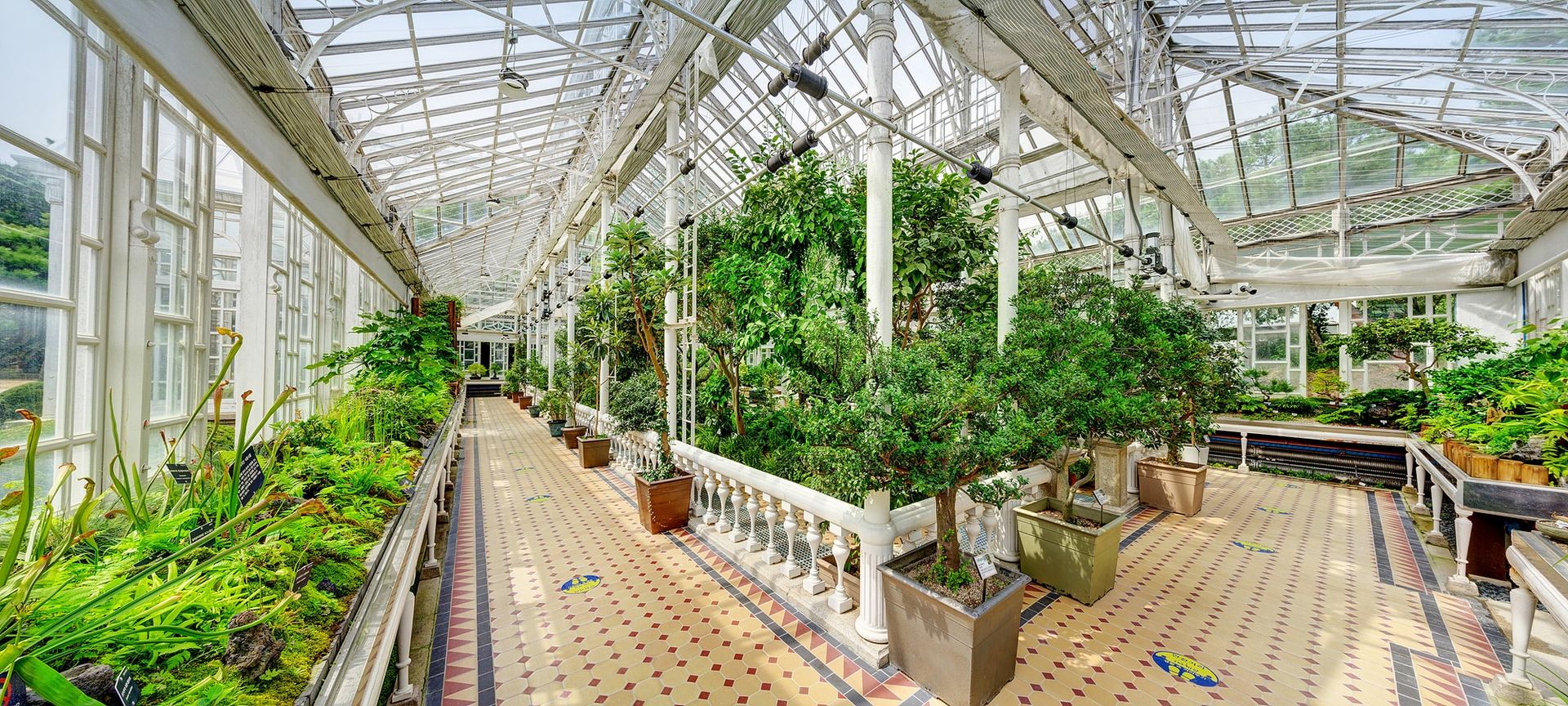
Inside the Grand Greenhouse at Changgyeonggung Palace. Photo: Royal Palaces and Tombs Center, used under KOGL Type 1.
Changgyeonggung Today
Because Changgyeonggung is generally less crowded than Gyeongbokgung or Changdeokgung, it can offer a calmer way to experience Seoul’s palace history.
Visitors can explore the throne hall, residential buildings, courtyards, pond and greenhouse while tracing the palace’s many transformations.
Changgyeonggung remains physically connected to Changdeokgung, and visitors may be able to move between the two through a shared entrance by purchasing the appropriate admission. The exact access arrangements should be confirmed before visiting.
The palace is also known for regular evening opening hours, allowing visitors to walk through illuminated palace grounds after sunset. Current hours and programs can change, so visitors should consult the official palace website before making plans.
Changgyeonggung may lack the monumental scale of Gyeongbokgung or the celebrated garden of Changdeokgung, but its history is no less significant.
It tells a more personal story of royal family life, loss and resilience. It also shows how a historic place can be altered, stripped of its original meaning and gradually reclaimed.
Planning Your Visit to Changgyeonggung Palace
Where is Changgyeonggung Palace?
Changgyeonggung is located at 185 Changgyeonggung-ro in Jongno-gu, Seoul, beside Changdeokgung Palace and near Jongmyo Shrine.
How do I get there?
One convenient route is to take Seoul Subway Line 4 to Hyehwa Station and walk approximately 15 minutes to the palace.
You can also reach the palace from Anguk Station on Line 3, although the walk is longer. Bus routes may provide a more direct option depending on your starting point.
When is Changgyeonggung open?
Changgyeonggung is generally open throughout the day and into the evening, with last admission before closing. The palace is typically closed on Mondays.
Because operating hours, holiday closures and evening access can change, check the official Royal Palaces and Tombs Center website before visiting.
How much time should I allow?
Allow approximately one and a half to two hours to explore the main palace buildings, Chundangji Pond and the Grand Greenhouse.
Plan additional time if you intend to combine your visit with Changdeokgung Palace or Jongmyo Shrine.
Can I visit Changgyeonggung and Changdeokgung together?
Yes. The two palaces are adjacent and historically formed the connected Eastern Palace complex.
There is a connecting entrance between the grounds, although separate admission requirements may apply. Check current ticketing and gate access before your visit.
Can I visit the Grand Greenhouse?
The Grand Greenhouse is located within the palace grounds and is generally open to visitors during designated hours. Access may occasionally be limited because of maintenance, preservation work or special programs.
Is Changgyeonggung open at night?
Changgyeonggung is known for allowing evening visits more regularly than some of Seoul’s other palaces. Illuminated halls, gates and pathways create a very different atmosphere after sunset.
Hours can vary, so confirm the current closing time before visiting.
Is admission free if I wear hanbok?
Visitors wearing qualifying traditional or modernized hanbok may receive free general palace admission.
The outfit must include both an appropriate upper garment and lower garment. Simply wearing a traditional-style outer garment does not meet the official requirements.
There are many hanbok rental companies near the palaces that can help you meet the guidelines. Special programs and Secret Garden admission may still require a separate ticket.
Where can I find current visitor information?
The best source is the official Korea Heritage Service Royal Palaces and Tombs Center website. It provides current opening hours, admission details, closures, guided tours and special-event information.
Seoul’s official tourism site, VisitSeoul.net, TheSeoulGuide.com and the Korea Tourism Organization’s VisitKorea site also provide directions and general visitor information.
Seoul's Five Grand Palaces Series
Explore all five of Seoul's historic royal palaces:
Changgyeonggung Palace
👇 Join the newsletter so you don’t miss any updates!
Keep Watching, Keep Feeling
Thanks for reading. 💖
If you enjoy thoughtful K-drama recommendations, reviews, and hidden details, explore more here on Korean Drama Insider.
🎬 Want more? Check out our other articles and watch lists for more heartfelt, spoiler-free K-drama reviews and recommendations, straight from one drama fan to another.